

Preparing for baby's arrival.
Three hospital bags, a safe nursery, a feeding plan that handles surprises, and a week-by-week to-do list — sourced from the NHS, NCT, Lullaby Trust, Tommy's and RCM. Nothing forgotten in the labour bag, ever.
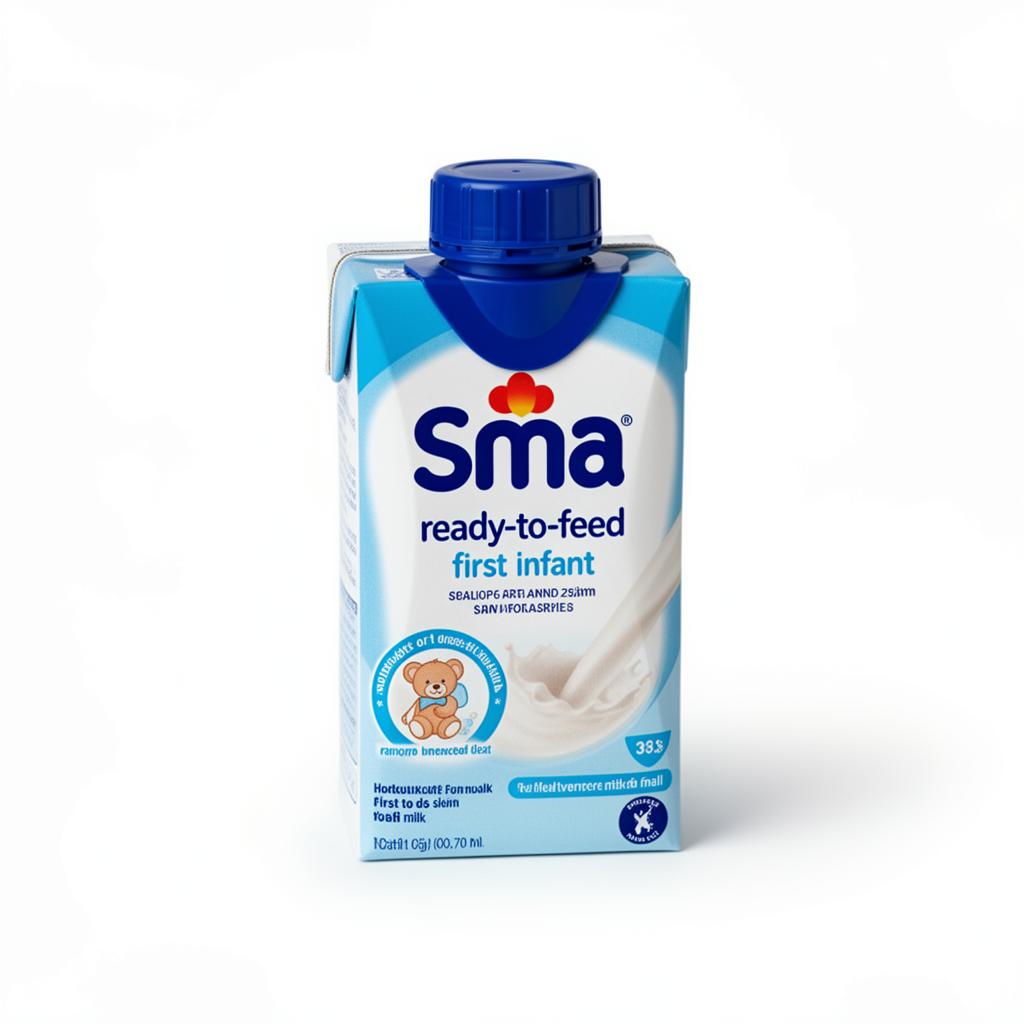
Pack ready-made formula — even if you plan to breastfeed.
This is the single most common regret we hear from new parents. Packing formula is not "giving up" — it's insurance for your baby's first hours if breastfeeding takes time to establish, you're separated after a c-section, or baby needs a medical top-up.
Why parents pack it
What to actually buy
The NHS actively supports combination feeding. If you'd rather not offer formula, ask your midwife from 36 weeks about hand-expressing and freezing colostrum in 1ml syringes to bring with you instead.

The three hospital bags.
Most hospitals prefer you split your kit into three: a labour bag that stays with you, a ward bag a partner can fetch after birth, and a baby bag. Plus a small partner bag — they're staying too.
Bag 1 — Labour bag (active labour)
Stays with youFor the room you give birth in. Comfort items, hydration, distractions.
Bag 2 — Mum's ward bag (1–3 nights)
Partner brings after birthBag 2b — C-section extras
Add to ward bagBag 3 — Baby's bag
Hospital + going homePartner's bag
Don't forget the partner
Nursery & home prep.
Set up the safe sleep space first, then the feeding station, then the changing area. Test smoke and CO alarms before baby arrives.
Safe sleep — the Lullaby Trust ABCs
What to buy
What NOT to buy (save your money)
Feeding station — set up before baby arrives
Changing station
Bathing
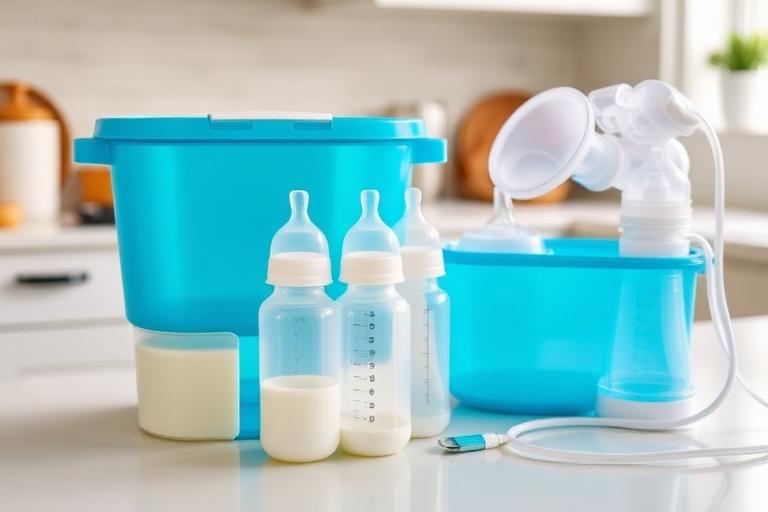
Feeding prep — whatever happens on the day.
Prepare for breastfeeding AND have a small formula plan in place. It removes panic in the first 48 hours if anything doesn't go to plan.
Breastfeeding kit
Colostrum harvesting (from 36 weeks, with midwife OK)
Bottle / formula kit
Formula types — what the NHS actually recommends
| Type | When to use |
|---|---|
| First infant formula (stage 1) | Birth to 12 months — the only formula needed if not breastfeeding |
| Ready-to-feed liquid | Pre-sterile, no mixing — essential for hospital, nights, travel, emergencies |
| Powdered | Cost-effective at home — must be made up correctly each time |
| "Hungry baby" / follow-on | NOT recommended by the NHS — no proven benefit |
| "Comfort" / anti-reflux | Only on health visitor or GP advice |
Making up powdered formula safely (NHS)
- Boil fresh cold tap water — never re-boil water that's already been boiled.
- Cool in the kettle for no more than 30 minutes — water must stay at 70°C+ to kill bacteria in the powder.
- Pour the water in first, then add level scoops of powder.
- Shake to dissolve, then cool under cold running water.
- Test on your inner wrist — warm or cool, never hot.
- Discard any leftover formula after a feed — never save half-finished bottles.
- Never microwave formula — hot spots can scald.
- A made-up bottle keeps in the back of the fridge (4°C or below) for up to 24 hours.

Third-trimester to-do.
Spread the load across the last three months instead of cramming it into the final fortnight.
Weeks 28–30
Weeks 31–33
Week 34
Week 35
Week 36
Weeks 37–38
Weeks 39–40
Week 41+
After birth — admin

Signs of labour & emergency signs.
Save your maternity triage number in your phone. Midwives would rather you called for reassurance than waited.
Early signs labour may be starting
The 3-1-1 rule — time to head in
Contractions lasting 1 minute, every 3 minutes, for 1 hour — call triage and head to hospital.
For a second or subsequent baby, the 4-1-1 rule may apply — labour is often faster, so call earlier. If you live far from hospital or have a history of fast labours, call sooner.
Call triage or 999 immediately
Do not wait, do not use a home Doppler to "reassure yourself" — go in.

Your first two weeks home.
Expect to feel overwhelmed, exhausted and emotional — it's completely normal. Sleep in shifts, accept all offers of help, and keep the helplines below to hand.
Feeding rhythm
What's normal — nappy count
| Day | Wet | Dirty | Poo colour |
|---|---|---|---|
| 1–2 | 1–2 | 1–2 | Black/dark green (meconium) |
| 3–4 | 3–4 | 2+ | Brown/greenish (transitional) |
| 5–7 | 5–6+ | 2+ | Yellow/mustard (BF) or tan (FF) |
| 2 wks+ | 6–8 | Variable | Yellow/soft |
Fewer than 6 wet nappies/day after day 5 → contact your midwife. Breastfed babies can go several days without a poo after 4–6 weeks — usually normal.
Jaundice — what to watch for
Mum's recovery — vaginal birth
Mum's recovery — c-section
Baby blues vs postnatal depression
| Baby blues | Postnatal depression | |
|---|---|---|
| When | Days 3–5 | Any time in the first year |
| Duration | Resolves in ~2 weeks | Persists or worsens |
| Action | Rest, support, reassurance | Tell your GP or midwife — treatment is effective |
Postnatal anxiety is just as common as PND but less talked about. Partners can develop PND too — encourage them to speak to their GP. PANDAS helpline: 0808 1961 776.

Items parents wish they'd remembered.
If you only do one thing on this page, scan this list.
Hospital bag
Nursery & home
Baby kit & car
Admin
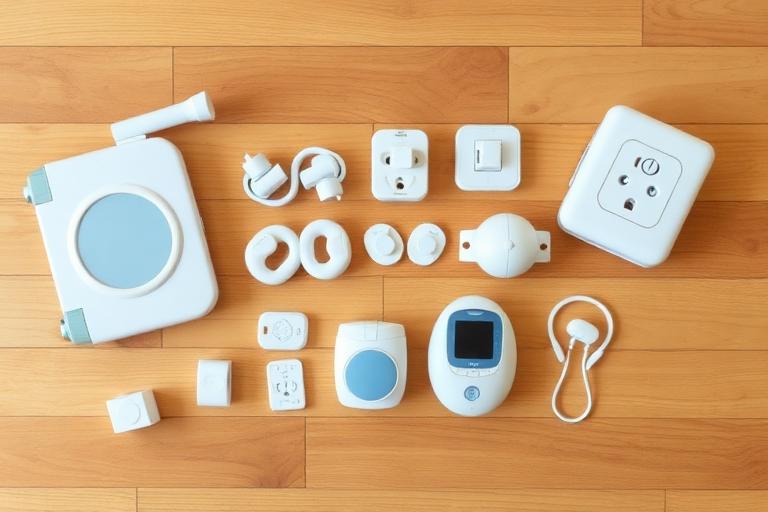
Safety essentials.
Five things that genuinely save lives. The rest is nice-to-have.
Car seat
Safe sleep — every sleep, every time
Temperature
Smoke & CO
Second-hand — what's safe

Helplines worth keeping.
This guide summarises advice from the NHS, NCT, Lullaby Trust, Tommy's, NICE and GOV.UK and is for general information only. Always follow your midwife, health visitor or GP's advice for your own pregnancy and baby. If anything feels wrong, call your maternity triage, NHS 111, or 999 — never feel you're "wasting time".