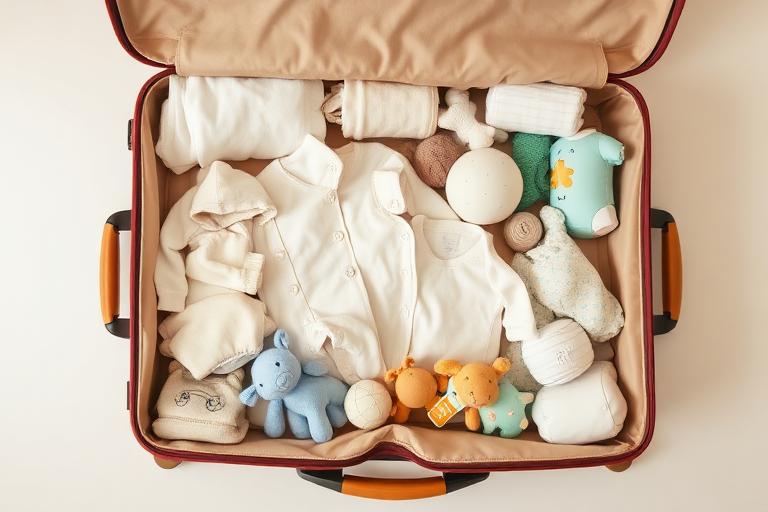
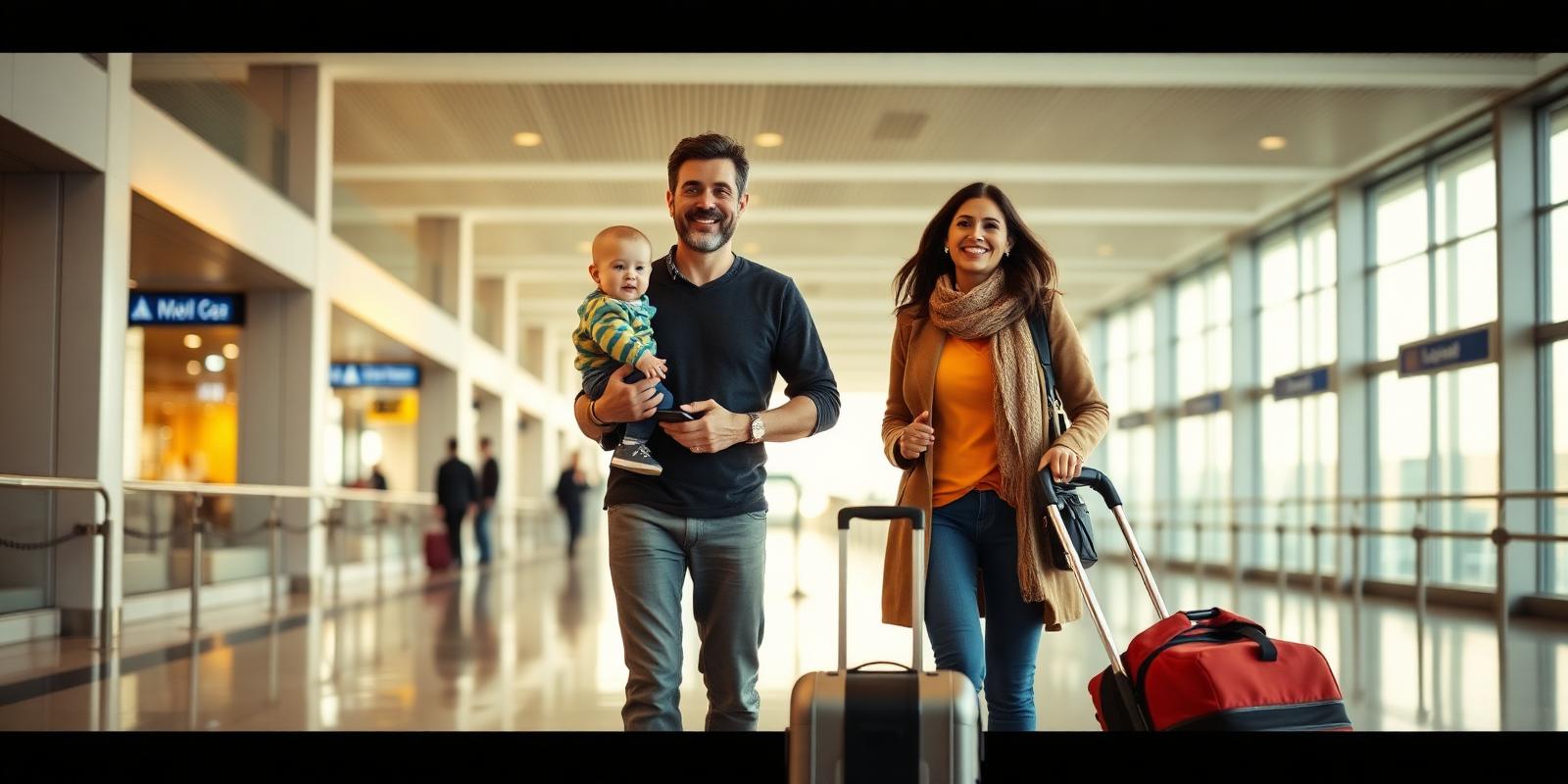
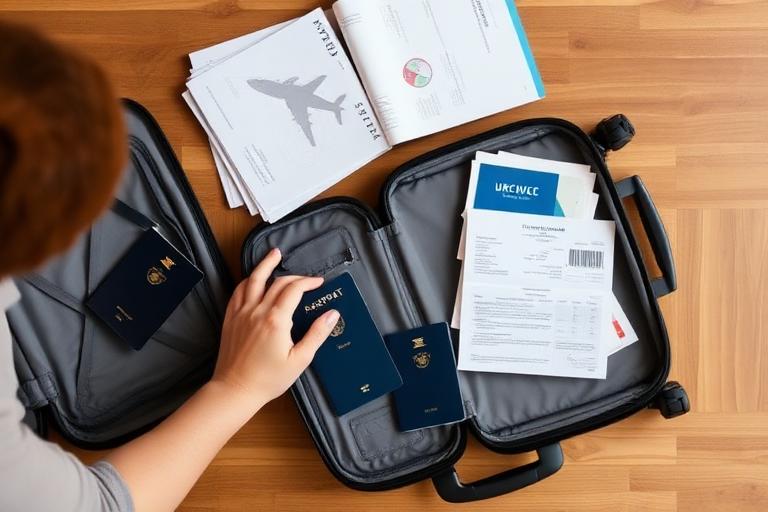
Family travelling through an airport
Family travel
Updated 2026

Travelling abroad with your little ones

The complete UK parent's guide to flying with babies, toddlers and kids — airport survival, customs rules, what to pack, suncream advice and printable checklists.

12 min read NHS & gov.uk aligned 3 printable checklists
Add your childto personalise this page

Before you go

  • Book early — bassinet (sky-cot) seats are limited and go to under-2s first.
  • Tell the airline you're travelling with an infant when booking; under-2s usually fly on a parent's lap for ~10% of the adult fare + taxes.
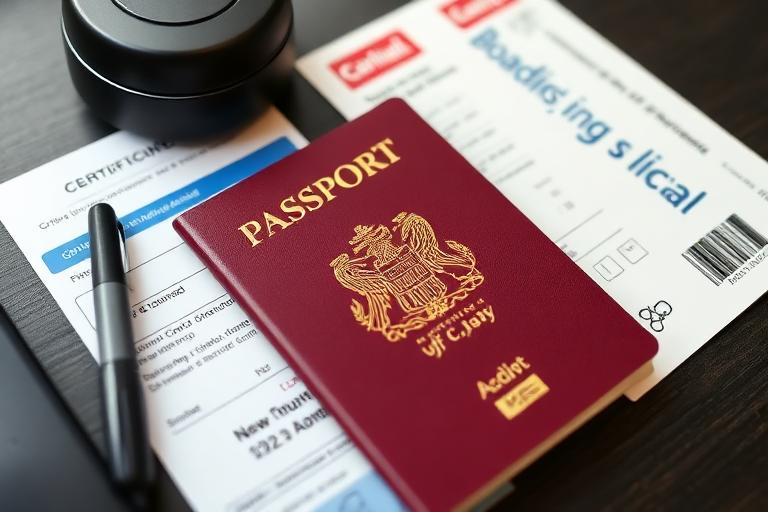
  • Check passport validity — many countries (EU/Schengen) require 3+ months beyond return date and issued within last 10 years.
  • Children's UK passports are valid for 5 years — check expiry, including babies whose passports may only be a few months old.
  • Apply for the free UK Global Health Insurance Card (GHIC) for each family member — covers state healthcare in EU countries.
  • Buy family travel insurance that explicitly covers infants, pre-existing conditions and pushchair/car seat damage.
  • Book a GP appointment 6–8 weeks before travel for vaccinations and anti-malarials if needed (check fitfortravel.nhs.uk).
  • Order Euros / local currency and tell your bank you're travelling.
  • Take photos of all documents and email them to yourself + a trusted relative.
  • Download offline Google Maps, Google Translate language packs and your airline app before leaving home.

Documents — passports, birth certificates & consent letters

Passports

Every child, including newborns, needs their own passport. Allow up to 10 weeks for a first child passport. Check the 'expiry rule' for your destination — for most of Europe a passport must be issued within the last 10 years AND valid for at least 3 months after your planned return.
Visas & ETA / ETIAS

Check gov.uk/foreign-travel-advice for the country you're visiting. From 2026 UK travellers will need ETIAS for Schengen countries. The USA requires ESTA, Canada requires eTA — both needed for children too.

Birth certificate (different surnames)

If your child has a different surname to the parent travelling, carry the FULL (long-form) birth certificate showing both parents' names. Border officials, particularly at South African, US and some EU borders, routinely ask. A photocopy is rarely accepted — bring the original.

Travelling without the other parent

Carry a signed letter of consent from the absent parent including their contact details, passport number, dates of travel and a signature. Ideally have it notarised. Also bring a copy of the absent parent's passport photo page. For divorced/separated parents, carry a copy of the custody order.

Grandparents / other adults travelling with the child

A signed parental consent letter from BOTH parents is essential, plus copies of both parents' passports and the child's full birth certificate.

Medical documents

Bring prescriptions in their original packaging with the pharmacy label, plus a GP letter for any controlled medicines (including liquid Calpol over 100ml). Carry GHIC/EHIC card and travel insurance policy number.

Different surname? Bring the full birth certificate.

UK Border Force, US CBP and Spanish/Portuguese authorities are well known for stopping parents whose surname doesn't match the child's. Carry the original long-form birth certificate (the one showing both parents) — not just the short version. If you're a single parent or your partner isn't travelling, also bring a signed consent letter from the other parent with a copy of their passport.

At the airport with little ones

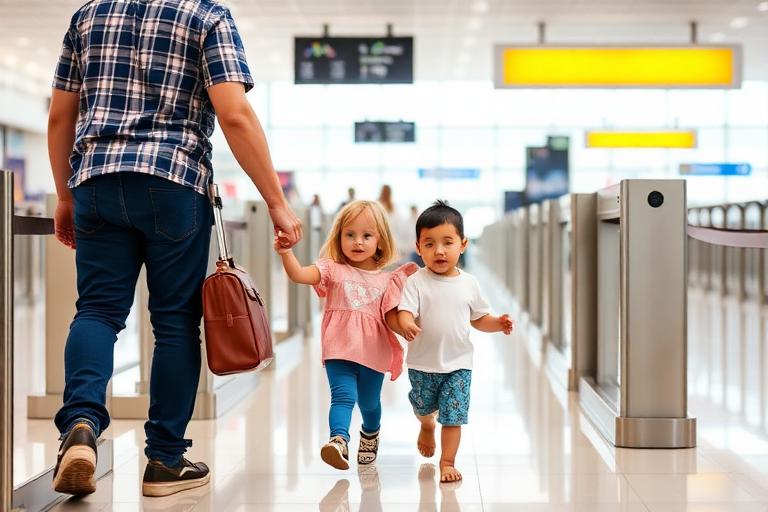
  • Arrive 30–45 minutes earlier than normal — everything takes longer with little ones.
  • Use Family/Assistance security lanes where available (most UK airports have one — just ask).
  • Wear easy slip-on shoes for you and the child; no metal belt buckles.
  • Pre-book airport parking and the family Meet & Greet if budget allows.
  • Use the airport's family rooms / soft play — Gatwick, Manchester, Heathrow T2/T5 all have them.
  • Change baby's nappy just before boarding — plane toilets are tiny.
  • Carry a printed boarding pass as backup if your phone dies.
  • Pre-order a kids meal (most long-haul carriers offer toddler & baby meals — request 24h+ in advance).
  • Ask at the gate for pre-boarding — most airlines board families with under-5s first.
  • Keep a fully-charged power bank in your hand luggage (must be in cabin, not hold).

Liquids, milk & customs rules

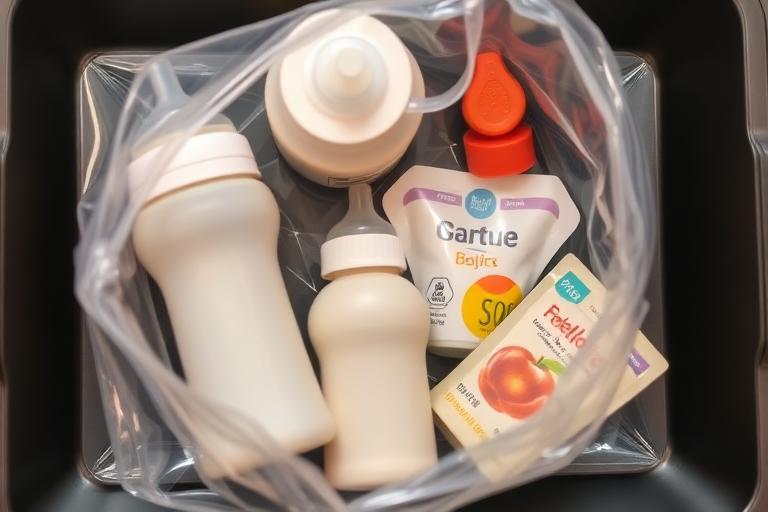
The 100ml rule does NOT apply to baby food and milk.

UK and EU airports allow reasonable quantities of baby milk, formula, expressed breast milk, sterilised water and baby food in hand luggage — even over 100ml. Security may scan or ask you to taste. New CT scanners at Heathrow, Gatwick, Manchester and many EU airports allow larger liquid containers without removal — but rules vary, so always pack as if the old 100ml rule applies.

Baby milk, formula & expressed breast milk

You CAN take reasonable quantities through UK airport security, even over 100ml. Formula powder, ready-made cartons, expressed breast milk and cow's milk for a baby are all allowed. Security may ask you to open and taste it, or scan it separately. Frozen breast milk is allowed if fully frozen solid.

Baby food (jars, pouches, purées)

Allowed in reasonable quantities for the journey. Bring more than you think — delays happen. Pouches are easier than jars (lighter, no broken glass risk).

Sterilised water for formula

Cooled boiled water in a baby bottle is allowed in cabin baggage in any quantity needed for the journey. Or buy bottled water airside after security.

Medicines (Calpol, Nurofen, inhalers, EpiPens)

Liquid medicines over 100ml are allowed with a doctor's note or prescription. Always pack medicines in hand luggage in case the hold is lost. Keep in original packaging.

Toiletries (suncream, nappy cream, shampoo)

Standard 100ml liquid rule applies — must fit in a 1 litre clear resealable bag, one bag per passenger. Buy suncream at your destination if you need more than 100ml.

Sharp items (nail scissors, tweezers)

Round-tip baby nail scissors are usually fine. Adult metal cutlery, scissors over 6cm and knives must go in hold luggage.

Returning to the UK — duty-free allowances

From EU and non-EU you can bring £390 of goods, 18L wine, 4L spirits and 200 cigarettes per adult. Children have no tobacco/alcohol allowance. Declare anything over the limit at the red channel.

Food rules entering the EU

You cannot take meat, milk or products containing them into the EU from the UK — including ham sandwiches and a flask of milk for the baby. Exception: infant formula, baby food and medical food for under-3s in personal quantities (max 2kg).

Pushchairs, car seats & travel gear

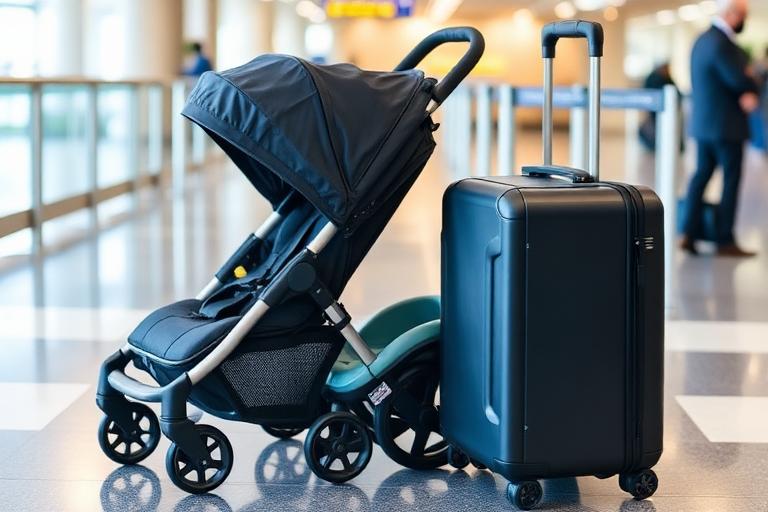
  • Take the pushchair right up to the aircraft door — request a 'gate tag' at check-in. It's returned at the door on arrival (or at baggage reclaim — ask the cabin crew).
  • A lightweight, fold-flat travel buggy (under 7kg, fits in overhead lockers on some airlines) is worth its weight in gold. Brands like Babyzen YOYO, Bugaboo Butterfly, Joie Tourist.
  • Put your full-size pram in a padded travel bag — wheels and frames get damaged. Take photos before checking in for insurance claims.
  • Car seats fly free with most airlines when travelling with a child — check airline policy. EU-approved seats with ECE R44/04 or R129 (i-Size) label can be used on the plane if pre-booked.
  • Hire a car seat at destination from the rental company OR pre-book with Tots to Travel / Stork Exchange to avoid lugging through airports.
  • Bring a luggage strap to clip car seat + cabin bag together as one wheeled unit.
  • Babywearing slings/carriers go through security with you — keep baby in them through the queue.

Surviving the flight

  • Feed (breast/bottle/dummy) during take-off and landing to equalise baby's ears.
  • Pack a new 'surprise toy' per hour of flight for toddlers — wrapped, from a pound shop.
  • Bring 2x changes of clothes per child AND a spare top for you (vomit happens).
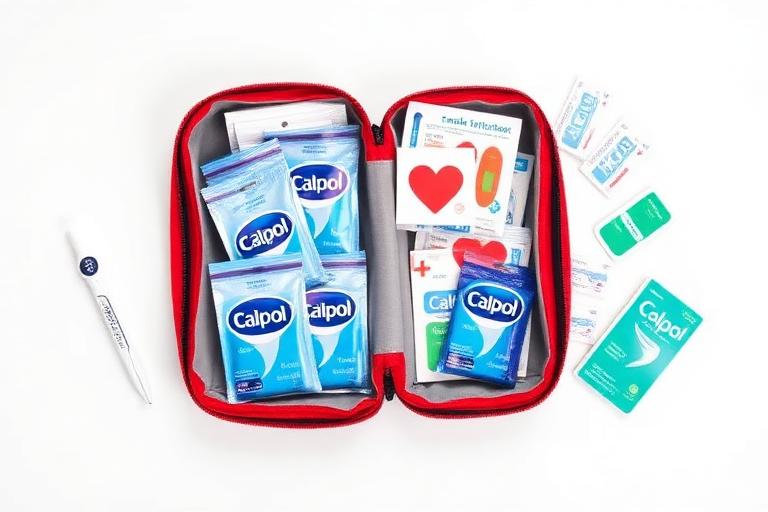
  • Calpol sachets are easier than a bottle for unexpected fevers mid-flight.
  • Cabin air is very dry — bring an empty bottle to fill airside and offer drinks often.
  • Use a 'fly tot' inflatable footrest to create a flat sleeping surface for toddlers (check with your airline — banned by some inc. BA on take-off/landing).
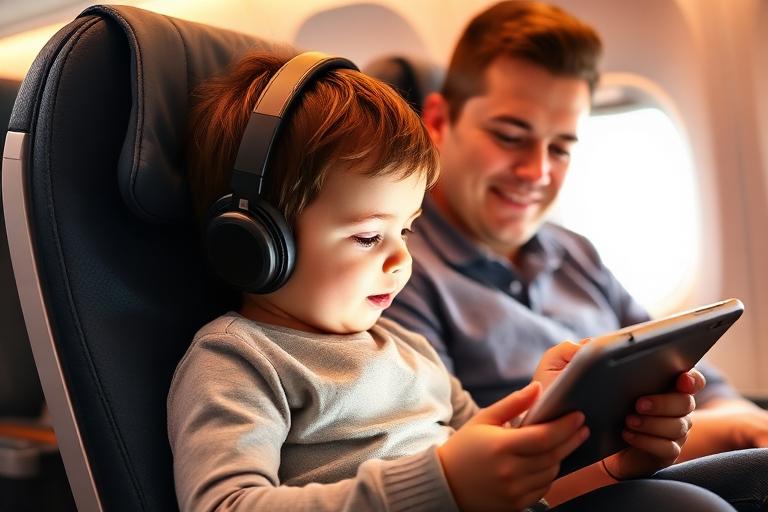
  • Download episodes of their favourite show on a tablet with headphones (kids' over-ear with volume limit).
  • Pack stickers, magnetic drawing boards, reusable colouring books — quiet, mess-free.

Sun safety, suncream & heat

Under 6 months

Keep baby out of direct sun completely. NHS advice: use a pram parasol, UV swim suit, wide-brim hat and shade. Suncream is not recommended on babies under 6 months except on small unavoidable areas.

6 months +

Use a mineral (zinc oxide / titanium dioxide) SPF 50+ — gentler on skin and reef-safer. Look for 'broad spectrum' UVA+UVB, water resistant. Brands to consider: Childs Farm SPF50+, Green People Scent Free SPF30, Bondi Sands Baby, La Roche-Posay Anthelios Dermo-Kids.

Application rules

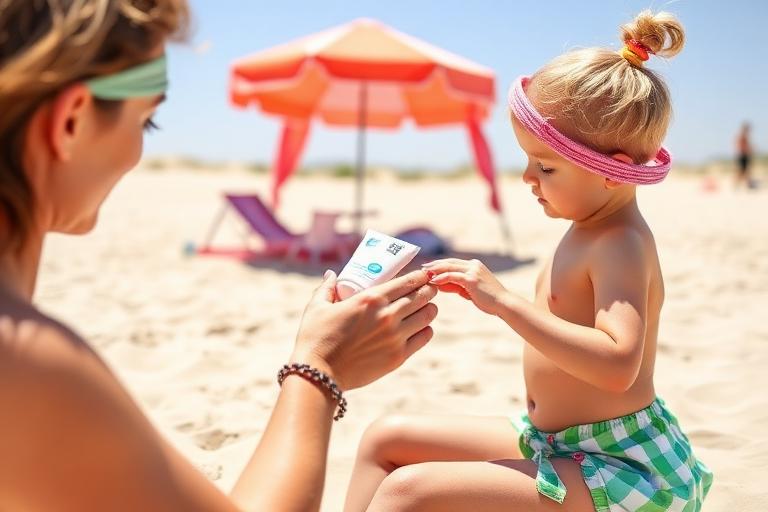
Apply 20 mins before sun, reapply every 2 hours and immediately after swimming or towelling — even with 'once-a-day' formulas. Use a 50p-size blob per limb. Don't forget ears, feet, neck and parting in the hair.

Sun timing

Keep babies and toddlers out of direct sun between 11am–3pm. Plan beach time for early morning or late afternoon. A pop-up UV beach tent (SPF 50+) is a brilliant investment.

Heat & hydration

In temperatures over 25°C offer extra milk/water every 20–30 mins. Signs of heat stroke in children: hot dry skin, lethargy, vomiting, very few wet nappies — get into shade, sponge with cool water and seek medical help.

Travel first-aid kit

A small zip-up pouch in your hand luggage will save you a panicked midnight pharmacy hunt abroad. Pack:

  • Infant/child paracetamol (Calpol sachets) and ibuprofen (Nurofen for Children)
  • Thermometer (digital in-ear or forehead)
  • Oral rehydration sachets (Dioralyte) — essential for traveller's tummy
  • Antiseptic cream + plasters (assorted, including fabric ones for sensitive skin)
  • Saline nasal spray + Calpol vapour plug
  • Anti-histamine (Piriton liquid for over-1s) for bites & reactions
  • Insect repellent — DEET 20–30% for over-2s, picaridin for younger
  • After-bite cream or bite-away pen
  • Anti-diarrhoeal (consult pharmacist — most not suitable under 12)
  • Aloe vera gel for sunburn
  • Hydrocortisone 1% cream for rashes
  • Tweezers, nail scissors, cotton buds
  • Any regular prescriptions in original packaging + GP letter
  • Travel sickness bands (Sea-Bands Junior)

Packing checklists — tick as you pack

Hand luggage / cabin bag

0/19 packed

Hold luggage — baby & toddler

0/18 packed

Hold luggage — older children

0/17 packed

At your destination

  • Sterilise bottles on arrival — kettle + Milton tablets in a sealed tub work anywhere.
  • Use bottled water for formula in countries where tap water isn't safe (most outside UK/EU/US/Canada/AUS/NZ — check fitfortravel.nhs.uk).
  • Childproof the room: socket covers, move glassware up, check balcony railings, ask reception to remove the minibar.
  • Locate the nearest pharmacy and 24-hour A&E on Google Maps before you need them.
  • Save the European emergency number 112 (works across the EU) and your insurer's 24h assistance line.
  • Stick to bottled or boiled water for drinking and brushing teeth in higher-risk countries.
  • Avoid ice, salads washed in tap water, and food that's been sat out — common causes of tummy upsets.
  • Plan one quieter activity per day — over-tired kids = meltdowns. Schedule nap-friendly afternoons.
  • Keep a daily routine close to home (meal times, bedtime) — it helps with jet lag and sleep.
  • For long-haul, expect 1 day of jet lag recovery per hour of time difference.

More from The Mum Hub